DTF (direct-to-film) printing is a transfer process that prints full-color CMYK plus white ink onto a clear film, cures a hot-melt adhesive powder to the back of the print, then heat-presses the transfer onto the garment. It produces photo-real, unlimited-color art on cotton, polyester, and blends with no per-color setup fee and no minimum order. At OTIA, every DTF order is printed, pressed, and quality-checked in Huntington, NY and ships within 72 hours of artwork approval.
Custom DTF Printing · Long Island NY
Direct-to-film printing for full-color custom apparel, produced in our Huntington, New York shop. One garment or one thousand, photo-real art or a single-color logo — same flat per-piece price, no setup fees, no per-color upcharge. Standard production ships within 72 hours of artwork approval. Built for restaurants, trades, schools, events, and corporate teams that need color-accurate prints on cotton, poly, and blends without the minimums a screen-printer would force on them.
What DTF printing actually is
Direct-to-film (DTF) printing is a four-stage transfer process. A purpose-built printer lays down a color image in CMYK ink on a clear PET film, then prints a layer of white ink underneath the color so the art reads correctly on dark garments. A hot-melt adhesive powder is shaken onto the wet white ink, and a curing oven melts that powder into a flexible bonding layer. The finished transfer — color art with a soft adhesive backing — gets aligned on the garment and heat-pressed at production temperature and pressure. A cool-peel release leaves the print bonded into the fibers with a thin, soft hand.
What DTF can do that other methods cannot: photo-real imagery, unlimited colors, gradients, soft fades, halftones, and dense detail without any per-color screen setup. The same press, same film, same powder handles a one-color logo or a 12-color illustration — there is no cost penalty for color complexity. It works on cotton, polyester, tri-blends, fleece, performance knits, canvas, and most synthetics without a substrate change. And because each transfer is printed on demand, a 50-piece order with 50 different names on the back is operationally identical to 50 of the same shirt.
What DTF is not: it is not screen printing (no thick plastisol hand, no ultra-large prints), it is not embroidery (no dimensional thread, no premium polo signal), and it is not vinyl (no glossy plotter-cut look). It is also not the right call for athletic moisture-wicking polyester at high heat tolerance, oversized 14"+ all-over prints, or programs where the customer specifically wants the look of stitched thread. When DTF is wrong, we will say so and route the project to embroidery or screen-print outsource.
When DTF is the right choice
DTF is one of the three decoration methods we run in-house. Here are the five buying scenarios where it consistently wins on price, timeline, or print quality versus the alternatives.
Full-color logos with gradients or fades
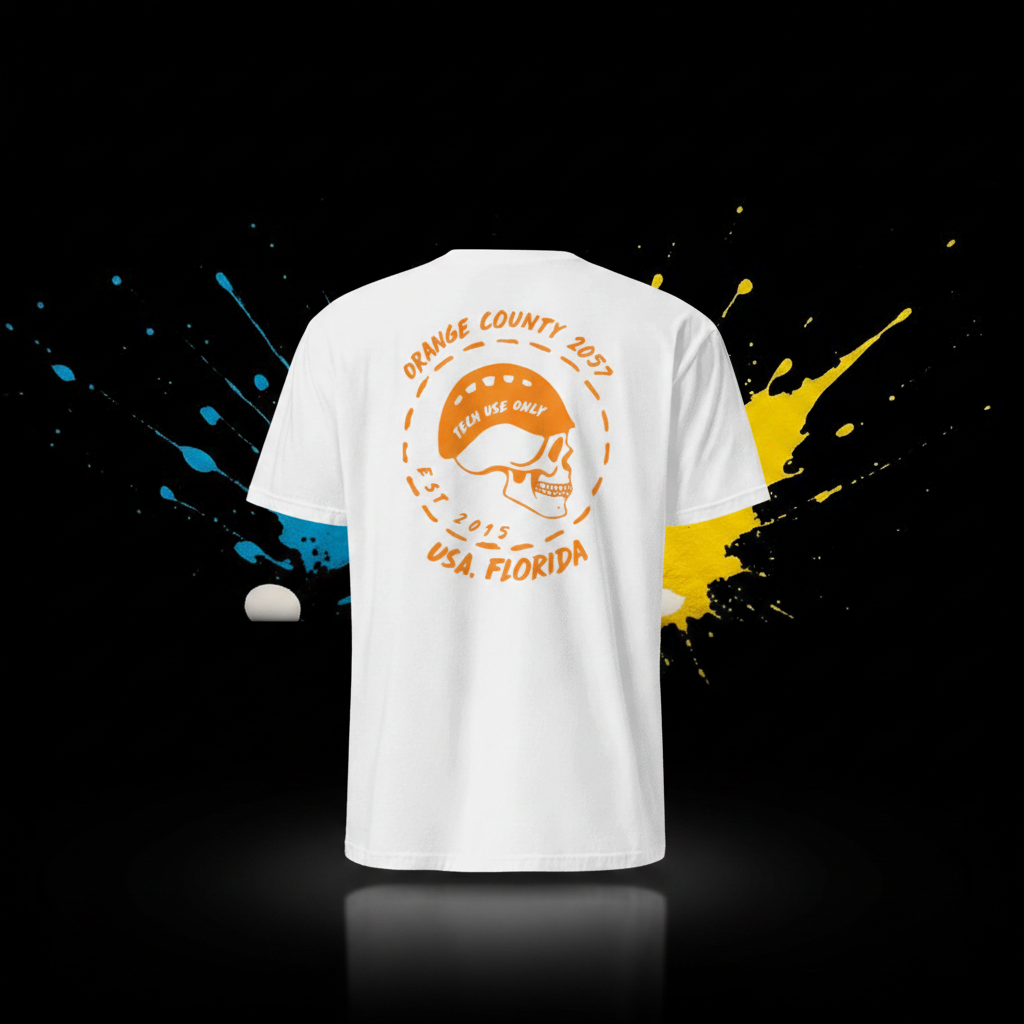
Anything that crosses 3-4 flat colors is a screen-printing surcharge waiting to happen — each additional color is a separate screen, separate setup fee, separate registration step. DTF prints the entire color spectrum from a single film transfer at the same per-piece price. Brand gradients, multi-color icon systems, photographic textures, and ombre fades land cleanly without any 'simplify the art' conversation. If your brand color palette is more than three Pantone references, DTF is almost always the right answer.
Photo-real art and dense illustrations
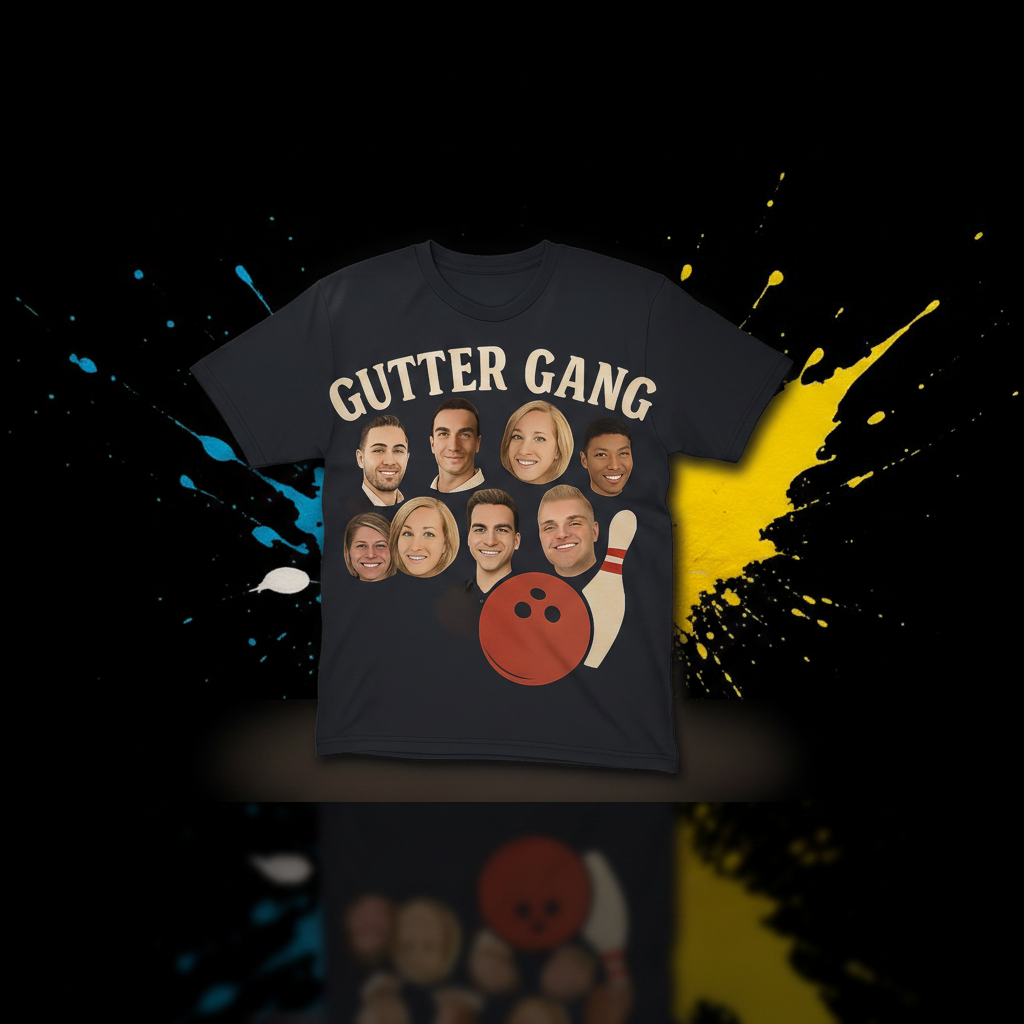
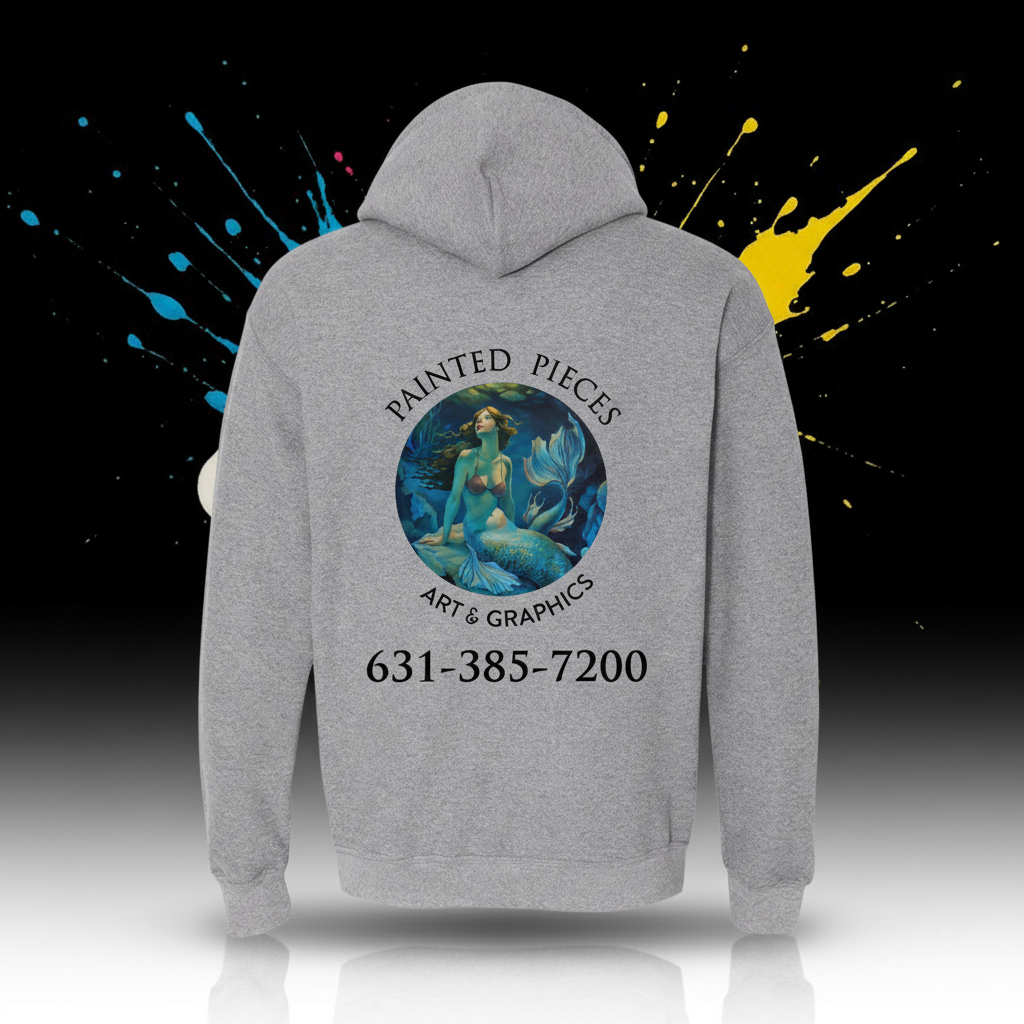
DTF reproduces continuous-tone imagery — photographs, painted illustrations, complex character art, halftone shading — at full color resolution. A photograph on a t-shirt that would require four-color process screen printing (and a four-figure setup) prints from DTF as a single transfer at the same price as a one-color logo. The trade-off is print size: photographic detail reads best at chest-sized or back-sized prints in the 8-12 inch range, not at full-front oversize.
Small-batch runs from 1 to 50 pieces
Screen printing penalizes small runs hard: a $40 screen fee per color amortized across 12 shirts is $13 per shirt before the ink even touches fabric. DTF has zero setup. The first piece costs the same per-unit as the fiftieth, which makes it the only honest answer for sample runs, one-off gifts, prototype tees, single-piece personalization, and any program where you do not know the final quantity yet. Order one, see how the team likes it, order forty more.
Mixed-garment orders with a shared logo
One project: tees for the warehouse, hoodies for the office, tote bags for the open house, and a few youth tees for the owner's kids. Screen printing would re-setup each substrate; embroidery would re-hoop each garment. DTF runs the same transfer across all of them with no operational distinction — same film, same press, same per-piece price. If your project includes more than one garment style and you want them to match, DTF is the path of least resistance.
Multi-color art that would burn screen fees
The classic break-even math: at 6 colors, the screen-print setup is roughly $240 before printing starts. For a 24-piece run, that is $10 per shirt in setup alone. DTF eliminates the entire setup line item. Anything in the 4-12 color range, for runs under about 75 pieces, is decisively cheaper on DTF after you do the actual math. Past that quantity threshold screen printing pulls ahead — and we will say so when it does.
Garment fit matrix
Not every fabric loves DTF equally. Here is how the transfer behaves on the substrates we press most often, with honest notes on where to test first. Linked garments have a dedicated category page with blanks and decoration options.
| Garment | DTF verdict | Notes |
|---|---|---|
| Cotton t-shirts | Best fit | DTF's home substrate. Soft hand, vibrant color, full wash durability. Light and dark cotton both press cleanly — the white underbase handles dark fabric without bleed-through. |
| Poly-cotton and tri-blend tees | Best fit | Identical results to 100% cotton. The transfer bonds to the blend without dye migration on standard 50/50 and 60/40 weights at production press temperature. |
| Fleece hoodies and crewnecks | Best fit | Excellent. Dense fleece face accepts the transfer cleanly and the print sits flat through wash and wear. Front-chest, full-back, and sleeve placements all work. |
| 100% polyester (standard weight) | Good fit | Works reliably on standard polyester knits and twills at normal press temperature. We test-press one piece first on any unfamiliar polyester to confirm no dye migration into the white underbase. |
| Performance / moisture-wicking polyester | Test first | Variable. Premium moisture-wicking poly with proprietary finishes (Dri-FIT class) can react under heat. We will test-press a sample piece before committing the run, and route to a low-temp transfer or screen print if needed. |
| Caps and hats (structured front panels) | Test first | Possible on flat-front five-panels and trucker foam fronts. Curved-front baseball caps and most structured six-panels are an embroidery job — see the comparison guide for the call. |
| Canvas tote bags and aprons | Best fit | Canvas takes DTF beautifully — heavy weave, no stretch, the print stays bonded through commercial wash cycles. Front-panel logos and full-coverage prints both work. |
| Dark garments (any fabric) | Best fit | DTF's white underbase is printed under the color layer in the same pass, which keeps dark-garment color reproduction true. No separate flash-cure step like screen printing on darks. |
Art file requirements & workflow
DTF will print exactly what you send us. A great file produces a great transfer. A pixelated, low-contrast, or wrong-color-mode file produces a great-looking pixelated, low-contrast, wrong-color transfer. Here is what we need on the front end and what we send back before we press anything.
Accepted file formats
- Vector — preferred.AI, .EPS, .SVG, .PDF (with editable vector layers). Vector files scale to any print size with no quality loss. If you have it, send it.
- High-resolution rasterTransparent-background .PNG at 300 DPI at the final print size. A 12-inch-wide print needs a 3,600 pixel wide PNG. JPEG and screenshots will not produce a clean transfer.
- Multi-color or photo artLayered .PSD or .TIFF with isolated subjects and clean edges. Avoid heavy JPEG compression artifacts — they print as visible noise around contrast edges.
Max print area
- Standard tee front / backUp to 12" wide × 16" tall. Most chest logos run 8-10" wide; full backs run 11-12" wide.
- Hoodie frontUp to 12" × 14" depending on pocket and chest seam. Sleeve hits up to 3-4" wide × 12" tall along the upper arm.
- Tote and apronUp to 12" × 14" centered on the front panel. Larger formats available — flag it in the quote.
Submit your art with the quote request. Within one business day we send back a digital mockup showing the print at scale on your selected garment, a color reference for any brand colors, and a written confirmation of placement and size. Once you approve, the order moves to print and ships within 72 hours of approval. If the file we receive will not produce a clean print, we say so before we charge anything — and we will rebuild simple logos in-house at no charge to get them production-ready.
Lead times & production reality
Standard DTF orders ship within 72 hours of artwork approval. That clock starts when you sign off the mockup, not when you submit the quote — most projects take one additional business day for the mockup round-trip, so a typical first-time order lands in your hands four to five business days after the initial request. Reorders of an existing approved design move faster: same-week turnaround is normal when the file is already on hand.
Rush production is available and we will quote it honestly. Same-day or next-day pickup for in-stock blanks is achievable on small runs (under about 24 pieces) if we have press capacity that day — flag it in the quote and we will confirm before you commit. Anything that depends on a non-stocked blank inherits the distributor's lead time (typically one to three business days to our door).
What slows production: art files that need rebuild work before they can print, brand-color matching on garments we have not pressed before (we test-press first), and personalization name-lists that arrive in a different format than what we quoted. All three are recoverable — we just need to know early.
See the live pricing calculator for an all-in per-piece quote on any garment.
DTF vs the alternatives
DTF is one decoration method, not the only one. Here is the short version of when each alternative wins — with a deep link to the long-form buying guide for the full analysis.
DTF vs embroidery
Embroidery wins on polos, hats, fleece jackets, and anywhere stitched thread reads as premium for two-plus years. DTF wins on full-color art, photo-real logos, light cotton tees, and any gradient that embroidery cannot reproduce. If the garment is a polo or a structured cap, embroider it; if the art has more than three flat colors, print it DTF.
DTF vs screen printing
Screen printing wins on simple 1-3 color art at higher volumes — typically 75+ pieces of the same garment with the same art. DTF wins on everything below that quantity threshold, on multi-color and photo work at any quantity, and on mixed-garment orders that screen printing would re-setup for each substrate. The honest break-even is in the 50-100 piece range and depends on color count.
DTF vs vinyl
Vinyl (HTV) wins on single-color names and numbers across athletic uniforms, where the glossy or matte finish is the point. DTF wins on essentially everything else — multi-color art, photo work, brand logos with gradients, and any application where a soft printed hand reads better than plotter-cut vinyl. We use both in-house and pick the right one per job, not per shop preference.
Who orders DTF from us
Six use-case patterns that account for most of the DTF orders running through the Huntington shop. Pick the closest match to see the industry-specific playbook on garment selection, decoration choices, and timeline.
Restaurants & staff tees
Front-of-house tees, back-of-house tees, and event pop-up shirts for a kitchen that turns over staff every quarter. DTF lets you reorder six replacement tees in a single size without paying a screen-print setup, and full-color logos with sauce drips, illustrated food art, and gradient brand marks land photo-real on a $7 cotton blank. Brewery and bar staff merch follow the same pattern — short runs, full color, fast turnaround so the new hire is in uniform on day one.
Trades crews + safety overprints
HVAC, plumbing, electrical, roofing, and landscaping crews running 4-12 person teams that change roster month to month. DTF prints the company logo on the chest and the crew member's name on the back of the same shirt — same press, same per-piece price, no setup for the name change. Add high-vis ANSI-class safety tees to the same order without a substrate-change conversation. Reorders for new hires ship same-week.
Schools, PTAs & spirit wear
Spirit wear store reorders, fundraiser tees, field-day shirts, club shirts, faculty tees, and one-off principal-vs-students game shirts. DTF handles the mascot illustration, the gradient school-colors backdrop, and the year-on-year date change without per-color setup. Webstores can offer multi-color art on a single garment SKU without forcing the PTA to commit to 144 pieces upfront — print to order, ship as ordered.
Event tees, 5Ks & fundraisers
5K race tees, charity walk shirts, festival staff tees, conference handouts, and pop-up event merch. DTF lets event organizers commit late: full-color sponsor logos, photo-real event imagery, and date-stamped art on a tight production window. Most events finalize their sponsor list two weeks out — DTF accommodates that timeline without the 4-week screen-print runway. Same-day rush available on small runs when the event hits a planning emergency.
Corporate giveaways & tradeshow handouts
Tradeshow swag tees, conference welcome gifts, employee appreciation runs, and client thank-you packages. DTF handles brand-accurate gradient logos and photo-real product art at giveaway-grade quantities (50-200 pieces) without the screen-print setup tax. Pair with our promotional-products catalog for full event bundles — see the corporate gifts catalog and the broader promotional products line for non-apparel companions.
Retail, brewery & branded merch
Brewery merch, restaurant retail tees, boutique branded apparel, and own-brand merchandise sold direct-to-consumer. DTF supports the print-on-demand economics of a retail merch line: no minimum, no setup, full color, every reorder identical to the last. Test a design with 12 pieces in your tasting room; if it sells, reorder fifty more next week at the same per-piece price. The print holds up through 50+ wash cycles when laundered inside-out cold-water and tumble-dried low.
Printed in Huntington, NY — not brokered out
Our DTF press lives in our Huntington shop, fifteen minutes from the LIE. When you place an order, the same team that quoted it is the team that prints it, presses it, and packs it. Nothing leaves the building between your approval and the carton on the loading dock. That matters for two reasons: timeline (we are not waiting on a contract printer's queue) and accountability (if a transfer presses wrong, we are the ones who reprint it — there is no "the printer made a mistake" buffer between you and the fix).
The shop runs DTF alongside in-house embroidery and laser engraving on the same floor. That gives us the ability to mix decoration methods inside a single order without splitting it across multiple vendors: embroidered polos for the front office, DTF tees for the warehouse crew, laser-engraved tumblers for the open-house giveaway — one ship date, one invoice, one team. It also means we will recommend a different method honestly when DTF is not the right call for your job, because we make the same money either way.
Long Island businesses get the additional benefit of pickup and local delivery on rush orders within a 30-minute radius of Huntington — no carrier transit time eating the production buffer.
DTF printing FAQ
Fifteen questions we field most often from Long Island businesses, schools, and event organizers ordering DTF for the first time.
Is there a minimum order for DTF printing?
How long does a DTF order take?
What art file format do you need?
What garments work best for DTF?
Can I order a single piece?
Can I mix different garments and sizes in one order?
How durable is a DTF print after washing?
Can you match a specific brand color?
Do you also do embroidery if DTF is not the right call?
Do you ship outside Long Island?
Do you offer samples before committing to a full order?
What is your return and reprint policy?
Can you do rush production?
Can DTF print actual photographs?
Can you do specialty effects — glow, reflective, metallic?
Examples
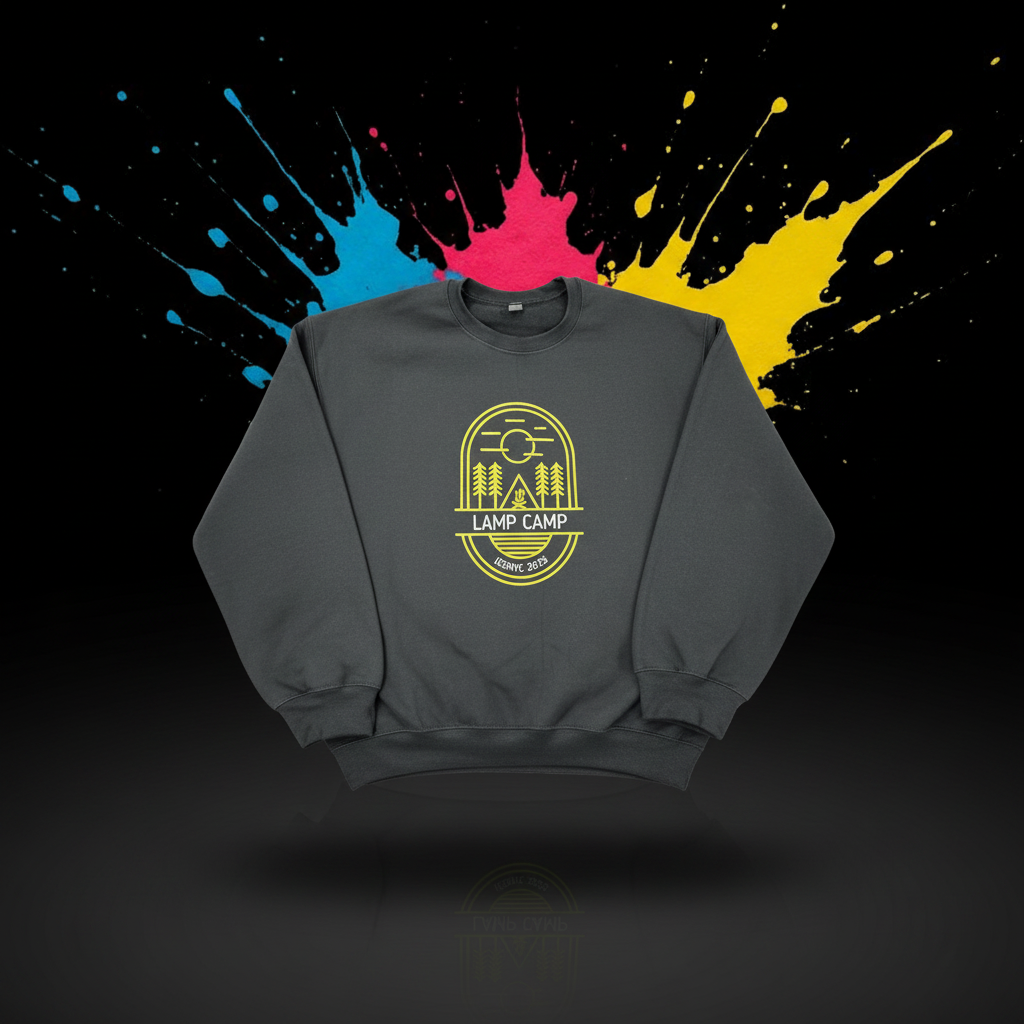
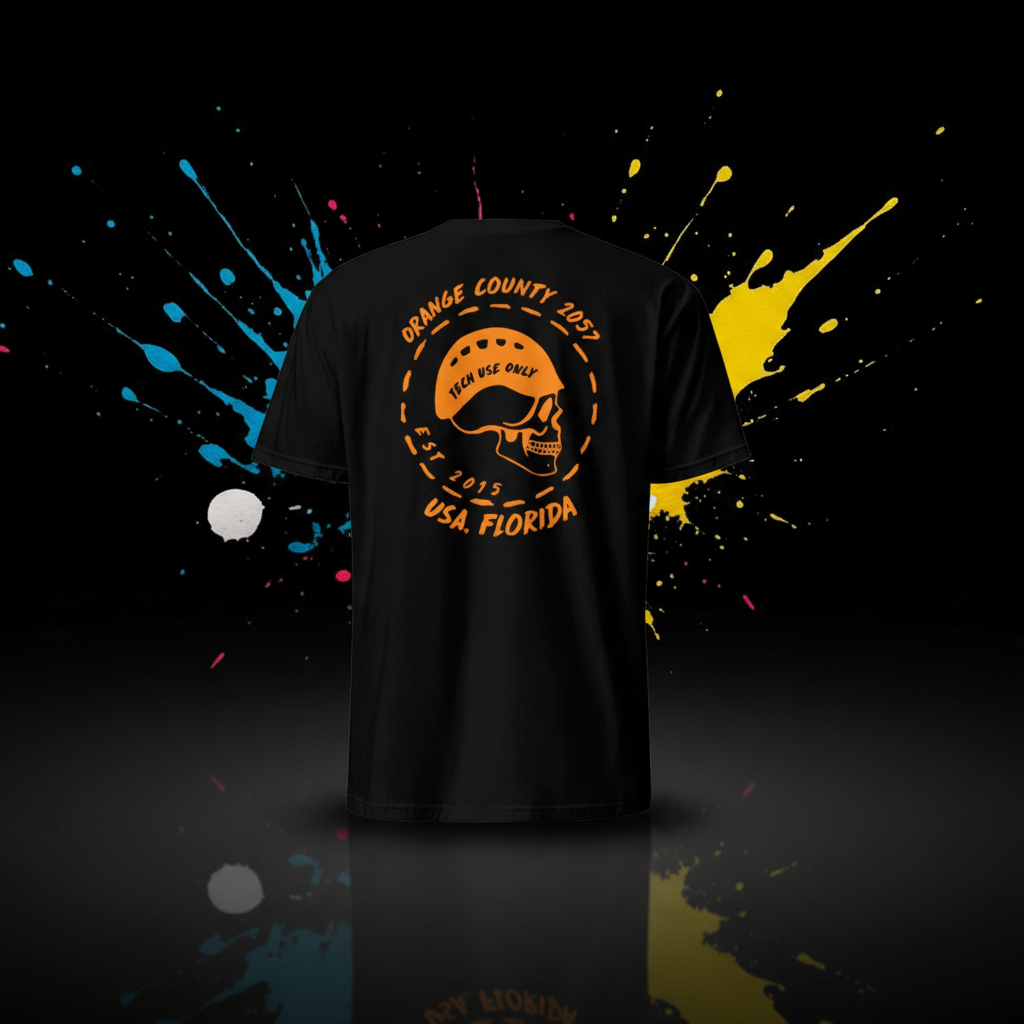
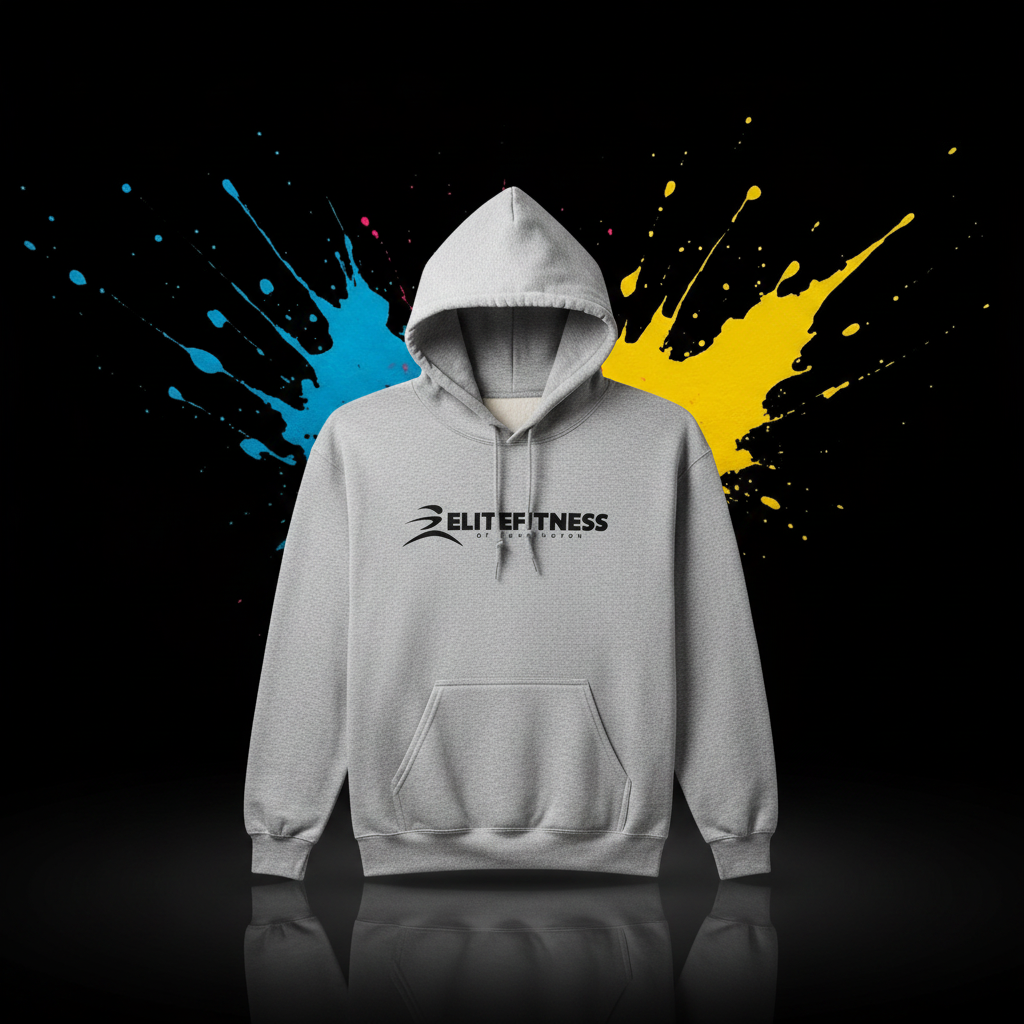
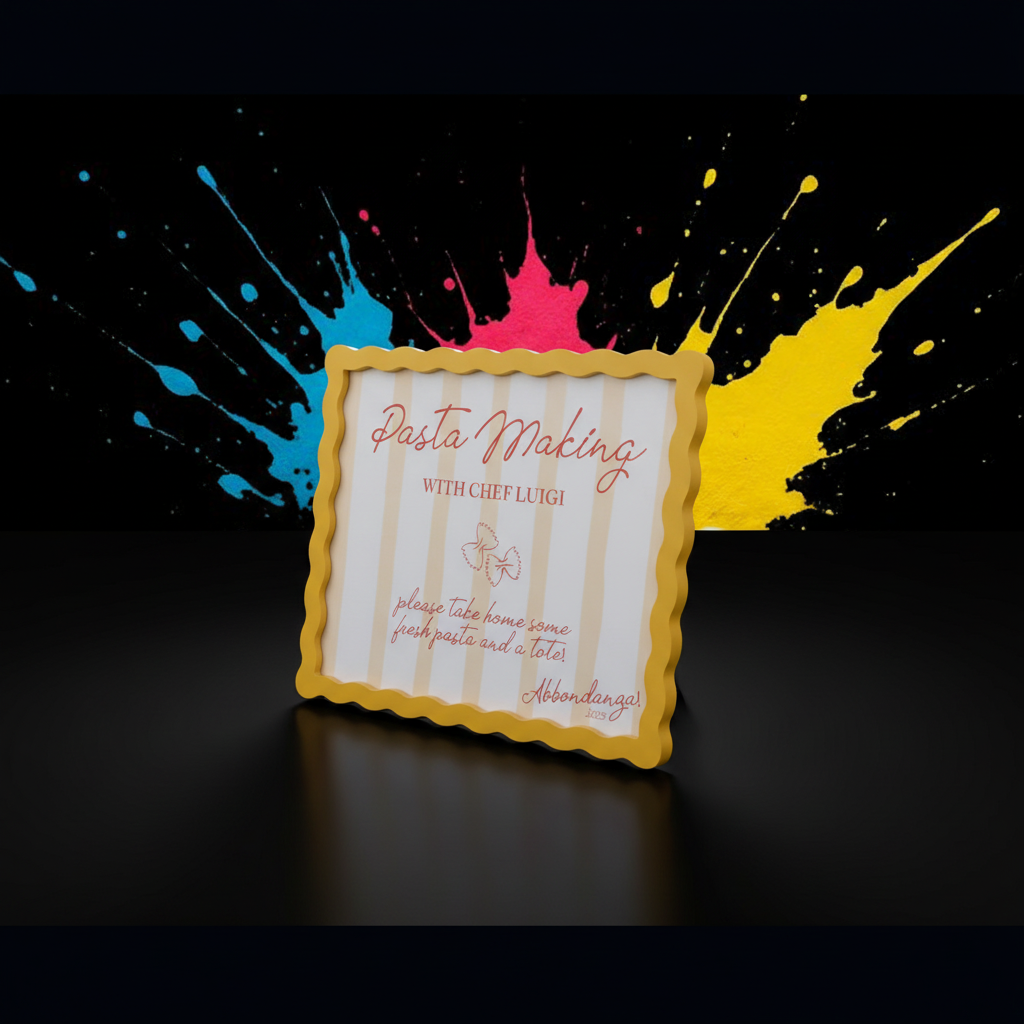
Real DTF work from our shop
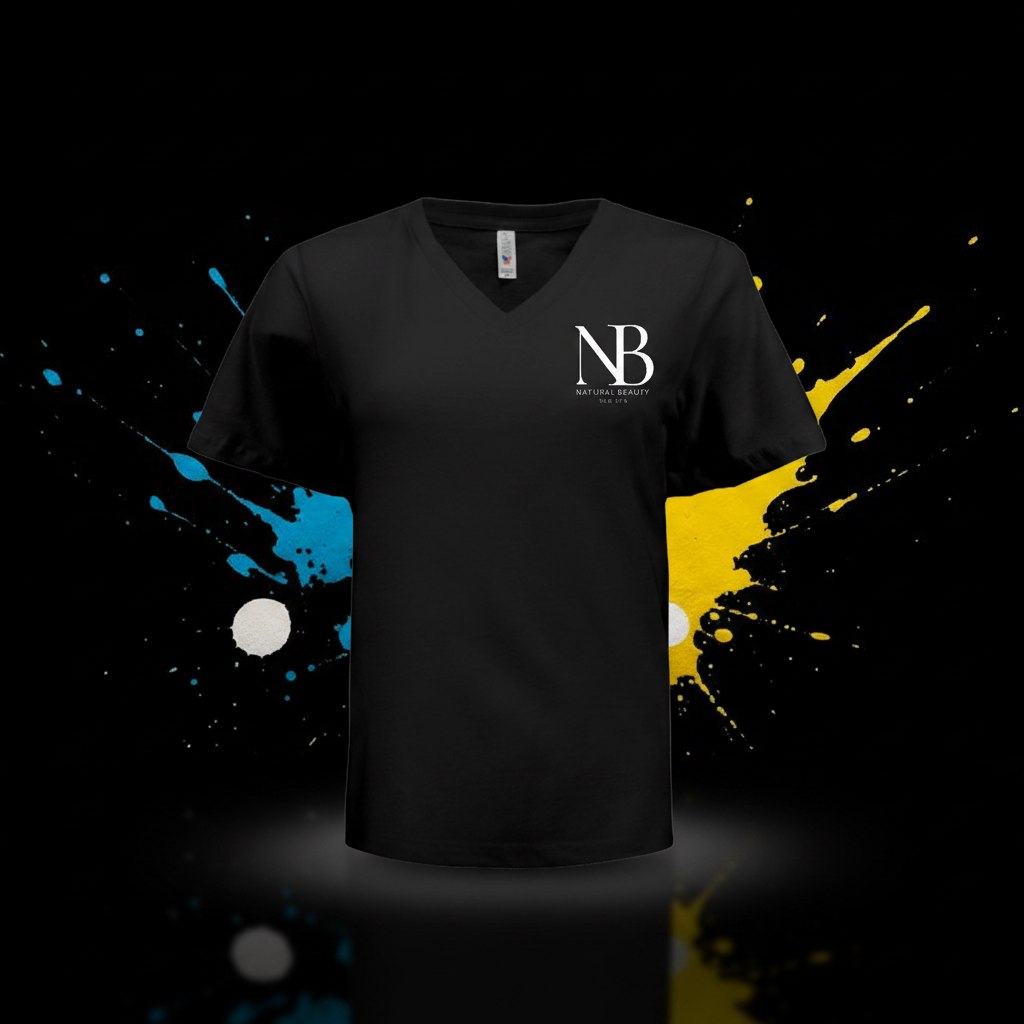
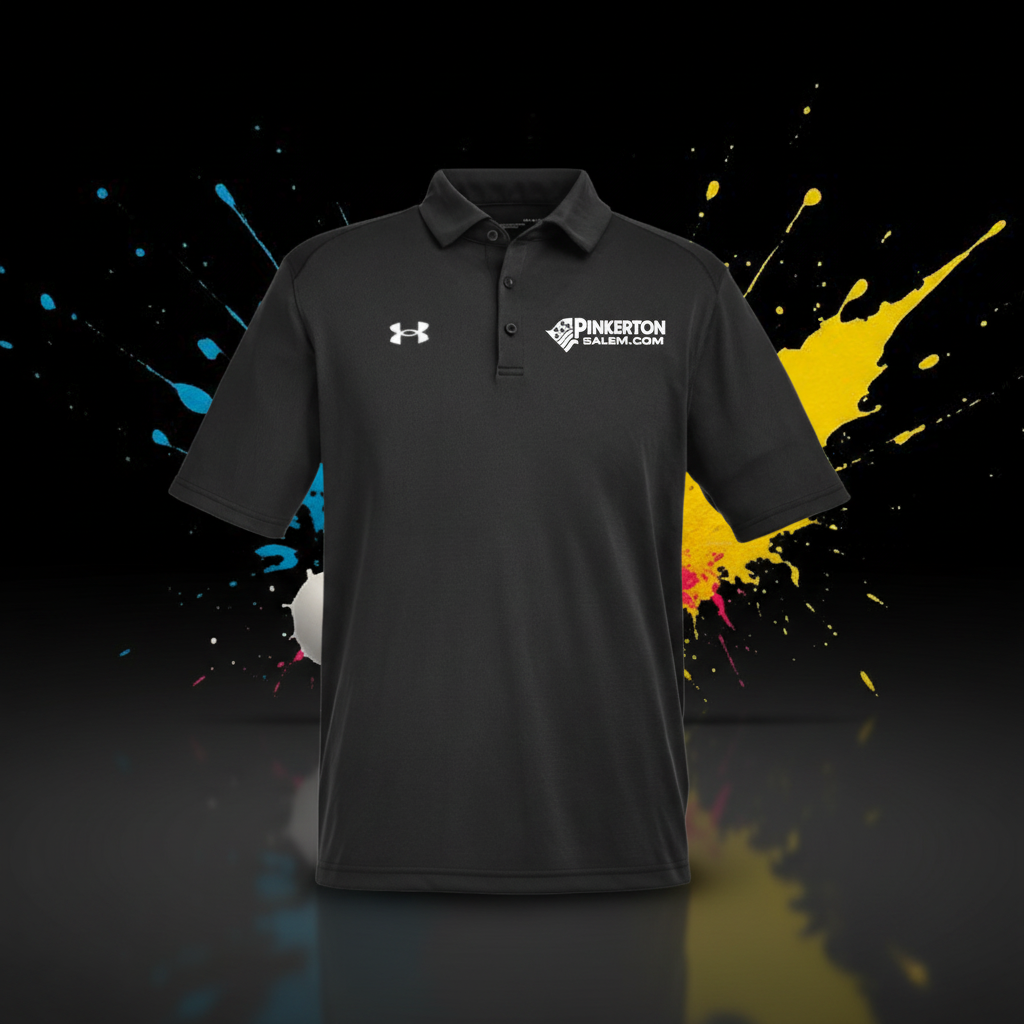
Ready to start a DTF order?
Send the art and the garment, get a written quote in one business day, and have the order on the truck within 72 hours of mockup approval. Or talk to a human first if you want a second opinion on whether DTF is even the right call for your project.